

 Adventures in Japan
Japan possesses a wild geographical variety stretching far past its neon-drenched cities. Seekers of adventure find a massive outdoor arena filled with volcanic summits, ancient woodlands, and warm southern seas. Identifying the Best Outdoor Activities to Try in Japan allows travelers to connect deeply with the ancient natural heritage of these islands.
Mountains cover over seventy percent of the country, forming steep corridors ideal for hiking, climbing, and snow sports. The ecological range spans from the chilly, sub-arctic forests of Hokkaido down to the balmy southern seas of Okinawa. Travelers can coordinate their plans through the official Japan National Tourism Organization portal to pair cultural discoveries with intense physical pursuits.
This detailed manual maps out the Best Outdoor Activities to Try in Japan, covering regional highlights, safety measures, and seasonal timing. Local transit networks make reaching isolated trailheads and coastal waters incredibly simple. Getting ready for these excursions demands solid knowledge of local weather shifts and the right gear.
Seasonal Guide to Top Outdoor Adventures in Japan
Every season opens different regions and specific sporting opportunities. Winter dumps light, dry snow on the northern peaks, while summer clears the path for high-altitude volcanic hikes. Coordinating your dates with these weather patterns ensures you experience the Best Outdoor Activities to Try in Japan in the best possible weather.
Spring thaw sends rushing water down the gorges of Minakami, making it a prime spot for wild river rafting. Autumn turns the northern forests into brilliant canopies of crimson and gold, drawing crowds of hikers to the mountain paths. Cold winters and hot summers offer stark contrasts that appeal to different outdoor sports.
Conquering the Alpine Peaks: Best Japanese Outdoor Experiences
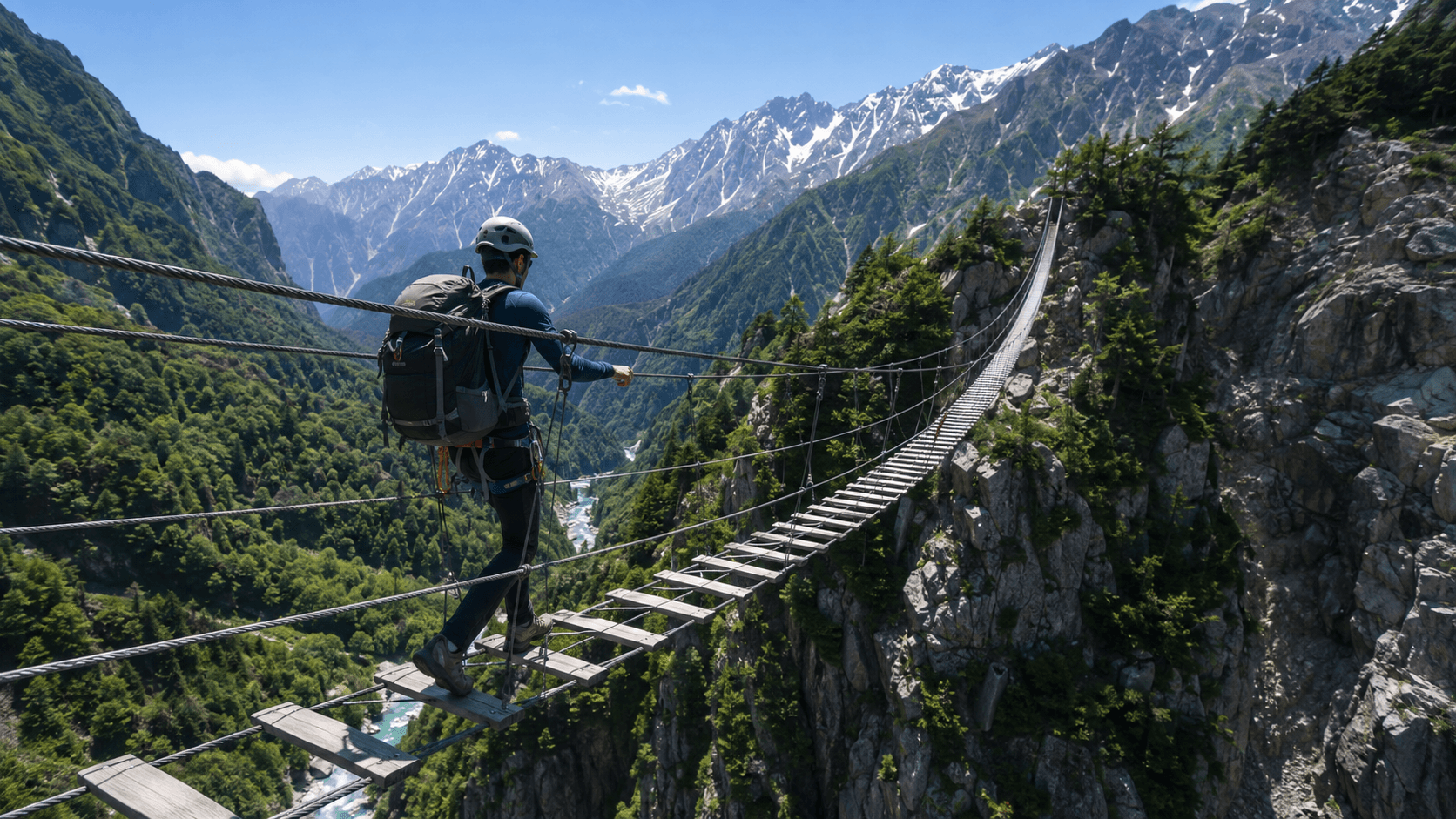
The Japanese Alps include the Hida, Kiso, and Akaishi ranges, presenting craggy ridges and technical ascents. Hikers seeking the Best Outdoor Activities to Try in Japan often choose the multi-day traverse of Mount Yarigatake or tread the historic Kumano Kodo pilgrimage path, a protected heritage site carving through the sacred Kii Peninsula.
Mount Yarigatake rises 3,180 meters high, showing off a sharp, pointed summit often compared to the Matterhorn. Climbers grip heavy iron ladders and chains bolted to the rock to scale the final vertical stretches. Standing at the top rewards hikers with sweeping views of the jagged peaks around them.
Mount Fuji draws thousands of international hikers during the brief summer climbing window. To make a safe ascent, hikers must check the official Mount Fuji climbing guide before starting their climb. The Yoshida Trail remains the busiest path, lined with rustic mountain shelters providing hot food and simple bunks.
- Sturdy waterproof hiking boots with deep tread
- A lightweight, windproof rain jacket and pants
- Bear bells to alert local wildlife of your presence
- Offline topographic maps and a physical compass
Deep Powder and Winter Sports in the North
Hokkaido gets massive snowfall, averaging fifteen meters of light powder each year in areas like Niseko. Skiers and snowboarders flock here to ride untouched backcountry slopes and soak in steaming hot springs after their runs. This snowy region hosts some of the Best Outdoor Activities to Try in Japan for winter sports enthusiasts.
Nagano, host of the 1998 Winter Olympics, features ski resorts with steep drops and fast, technical runs. Expert local guides run backcountry tours to help skiers navigate avalanche-prone zones safely. Soaking in an outdoor hot spring, known as an onsen, serves as a classic post-ski ritual to soothe tired muscles.
The ski season usually lasts from late December until early April, shifting slightly with the weather. Several resorts open up illuminated slopes for night skiing under the cold winter sky. English-speaking ski instructors work throughout popular hub towns like Niseko and Hakuba.
- Niseko Grand Hirafu in Hokkaido for deep powder and international amenities
- Happo-One in Nagano for steep Olympic runs and alpine terrain
- Zao Onsen in Yamagata for frost-covered snow monsters and traditional hot springs
Marine Adventures in the Subtropical South
The southern islands of Okinawa offer a totally different ecosystem filled with rich coral reefs and warm ocean currents. Visitors can paddle kayaks through quiet mangrove forests in Ishigaki or dive alongside giant manta rays in the Kerama Islands. These tropical escapes are widely considered some of the Best Outdoor Activities to Try in Japan during the spring and autumn months.
This southern prefecture spreads across more than 150 islands reaching toward the Pacific. Marine sanctuaries protect these fragile waters, keeping local populations of sea turtles, rays, and tropical fish healthy. Snorkeling inside the Blue Cave of Onna Village offers a glowing, ethereal view as sunlight reflects off the water.
Iriomote Island features thick, untamed jungles where hikers can paddle up tidal rivers to find hidden waterfalls. These dense, wet forests shelter rare animals like the elusive, endangered Iriomote wildcat. Exploring these isolated waterways requires an experienced local guide to handle the tricky tides safely.
Cycling the Shimanami Kaido Bridge System
The Shimanami Kaido is a gorgeous 60-kilometer bike path linking the main island of Honshu to Shikoku. Riders cross six massive bridges above the calm Seto Inland Sea on separated bike lanes. This coastal ride stands as one of the Best Outdoor Activities to Try in Japan for active cyclists.
Riders can rent high-grade road bikes or electric bicycles at rental hubs along the way. For planning routes and rest stops, check the official Shimanami Kaido cycle map. A solid blue line painted on the road guides you through the islands without any confusion.
Staying overnight in family-run guesthouses on the islands provides an authentic look at rural Japanese life. The route uses long, sweeping ramps to keep the climbs gentle, making the bridges easy for riders of all fitness levels. Local citrus orchards line the paths, selling fresh, tart oranges to keep you hydrated.
- Sunset Beach on Ikuchijima Island for coastal art installations
- Kosanji Temple for elaborate architecture and marble structures
- Kirosan Observatory on Oshima Island for wide, open views of the Kurushima Kaikyo Bridge
Summary of Premier Japanese Outdoor Activities
To help you plan your trip, here is a quick guide to the top regional adventures, the best times to go, and key highlights.
| Region | Activity Type | Best Season | Key Highlight |
|---|---|---|---|
| Japanese Alps | Mountain Trekking | Summer to Autumn | Mount Yarigatake & Kamikochi |
| Hokkaido & Nagano | Skiing & Snowboarding | Winter | Excellent dry powder snow |
| Okinawa Islands | Snorkeling & Kayaking | Spring & Autumn | Coral reefs & mangrove forests |
| Seto Inland Sea | Coastal Cycling | Year-round | Shimanami Kaido bridge route |
Wilderness Safety and Preparation Guidelines
Heading deep into the Japanese wilderness requires careful planning and immense respect for nature. Honshu’s mountainous regions shelter the Asiatic black bear, while Hokkaido is home to the larger brown bear, making a bear bell a crucial safety step. Hikers must submit an official climbing registration form, known as a tozan-todoke, before stepping onto major mountain trails.
Weather in high-altitude zones shifts quickly, bringing sudden storms and sharp drops in temperature. Packing durable waterproof outer layers and offline trail maps is vital to stay safe. Bus networks often run straight to trailheads, though you must check the seasonal timetables in advance.
Final Takeaways on Unforgettable Wilderness Excursions in Japan
Exploring the diverse geography of this island nation turns a simple holiday into an incredible adventure. Whether you scale steep volcanic peaks, bike across high bridges, or glide through deep powder snow, the wild regions offer endless exploration. Choosing the Best Outdoor Activities to Try in Japan guarantees a deep connection with the country’s rugged, beautiful wilderness.


Comments are closed