



 Plan your trip
Tourism numbers reached new heights in 2026, leaving many newcomers struggling to balance ancient customs with hyper-modern spaces. This overview serves as The Complete Japan Travel Guide for First-Time Visitors to help you navigate this transition. A smooth journey begins with understanding these contrasting worlds.
Learning how local systems operate before you board your flight saves precious hours later. Smart preparation turns what could be a chaotic trip into an easy, memorable adventure. These chapters highlight key approaches to help you navigate the country with ease.
Navigating the Golden Route and Beyond
Most travelers stick to the famous Golden Route, covering Tokyo, Kyoto, and Osaka over a ten-day stretch. Tokyo delivers massive neon towers and packed neighborhoods like Shibuya. Kyoto offers quiet, historic wooden temples and green bamboo groves, while Osaka serves up a street-food haven in the lively Dotonbori area.
| City | Key Highlight | Vibe |
|---|---|---|
| Tokyo | Neon-lit skyscrapers, Shibuya Crossing | Ultra-modern & bustling |
| Kyoto | Preserved wooden temples, bamboo forests | Traditional & serene |
| Osaka | Dotonbori street-food paradise | Lively & food-focused |
Stepping off this main trail rewards you with quieter spots like Kanazawa, famous for its preserved samurai neighborhoods, as noted in The Complete Japan Travel Guide for First-Time Visitors. Hiroshima offers deep history and a slower pace. Moving between these cities is incredibly fast on the bullet trains, known as the Shinkansen.
Map out your travel options before leaving to save hundreds of dollars on a multi-city trip.
Mastering Local Transit and Train Systems
Navigating subways and trains is a major hurdle for newcomers. While the country-wide Japan Rail Pass once offered incredible savings, an approximately 65 to 70 percent price hike in late 2023 changed everything. You must now tally up separate ticket prices online to see if regional passes actually save money.
Commuters rely on refillable IC cards like Suica or Pasmo, which easily fit into your phone’s digital wallet. These cards let you tap through subway gates, hop on buses, and buy snacks at convenience stores. Cabs are pricey but offer a dependable backup when trains stop running at midnight.
- Get offline maps and navigation apps before landing at Tokyo Haneda or Narita airport.
- Rent a pocket Wi-Fi device or set up an eSIM to stay connected throughout your trip.
- Keep paper money and coins ready because many temples, noodle shops, and local buses refuse plastic.
Cultural Etiquette and Daily Norms
Following local etiquette keeps you out of awkward moments and helps you connect with locals. Japan runs on a culture of quiet respect, so avoid loud chats or phone calls on trains. Stand on the proper side of escalators, keeping in mind that the correct side switches between Tokyo and Osaka.
Tipping does not happen here, and leaving extra cash can cause real confusion or distress. Places either add a service fee or expect you to pay the exact bill total. Handing cash directly to staff is poor form, so place your yen on the small tray by the register.
Keeping The Complete Japan Travel Guide for First-Time Visitors in mind during daily errands helps you sidestep common slip-ups. Trash cans are almost impossible to find on streets due to past safety measures and local habits. Carry a small bag to hold your trash until you get back to your room.
Accommodation and Dining Strategies
Where you sleep depends on your budget and how deeply you want to dive into the culture. Standard hotels offer familiar rooms, but historic ryokans give you tatami mats, floor futons, and elaborate multi-course dinners. Single travelers can save money by booking capsule hotels for a quick, bare-bones stay.
Food options run from high-end Michelin spots to budget-friendly convenience stores like Lawson and 7-Eleven. Grab cheap, delicious food at standing noodle shops or in basement food halls called depachika. Many small joints have you buy a food ticket from a machine near the door before sitting down.
- Finish your snacks or drinks near the shop instead of walking down the street with them.
- Never leave your chopsticks standing straight up in rice because this mimics funeral customs.
- Slurp your noodles to show you like the meal and to cool down the boiling soup.
Packing Essentials and Seasonal Planning
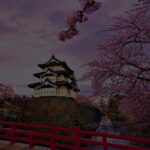
Choosing when to visit changes everything from hotel rates to crowd sizes. Spring brings gorgeous cherry blossoms, but it also brings peak crowds and double the room prices. Autumn offers mild days and fiery maple leaves with slightly more breathing room.
Consulting The Complete Japan Travel Guide for First-Time Visitors ensures you pick the perfect season for your budget. Good shoes are the single most important item in your bag because you will walk constantly. Expect to log over fifteen thousand steps a day on hard pavements and endless train stairs.
Aligning your packing list with The Complete Japan Travel Guide for First-Time Visitors prevents overpacking useless gear. Bring slip-on shoes because temples, classic dining spots, and historic inns require you to take them off. Keep a strong battery pack on hand so your phone does not die during long days of sightseeing.
- Bring a strong, small umbrella for sudden seaside rainstorms.
- Carry a small coin pouch because you will collect a lot of metal money.
- Keep a small washcloth handy since many public bathrooms lack dryers or paper towels.
Budgeting and Currency Management
Managing your money means carrying both physical cash and digital options. Even though cards are more common now, cash is still required in countryside towns and tiny family shops. Use ATMs inside convenience stores like 7-Eleven to withdraw yen at fair exchange rates.
Budget-minded tourists can easily keep daily spending under a hundred dollars. Opt for big lunches instead of expensive dinners, since midday menus often serve the same items for half the price. Get tax-free savings at registered stores to skip the ten percent tax on purchases over five thousand yen.
Using tips from The Complete Japan Travel Guide for First-Time Visitors helps you stretch your cash further. Book your flights and rooms four to six months ahead to lock in the cheapest deals. Visiting during the quieter months of late autumn or winter offers the best value for budget-conscious travelers.
Step-by-Step Arrival Checklist
Getting through the airport smoothly makes your arrival stress-free. Once you land, show your QR codes from the Visit Japan Web website to breeze through customs. This digital registration cuts down wait times during peak hours.
After customs, grab your Wi-Fi device or turn on your eSIM to get maps working instantly. Next, head to the train desks to buy express tickets or load your IC transit card. Send heavy bags straight to your hotel using delivery services so you can travel to the city center empty-handed.
Maximizing Your First Japanese Adventure
Heading to East Asia takes real preparation and sensible goals. Relying on tools like The Complete Japan Travel Guide for First-Time Visitors clears up confusing train routes and lowers stress. Focus on appreciating the culture, staying organized, and keeping an open mind for an amazing trip.
A balanced schedule keeps you from burning out and leaves room for random discoveries. Avoid packing every hour of your day, leaving afternoons open to wander down quiet alleys. Enjoying the clash between historic shrines and futuristic cities makes this country an incredible place to explore.
Sticking to the plan outlined in The Complete Japan Travel Guide for First-Time Visitors guarantees a smooth path from arrival to departure. Staying flexible when plans shift lets you enjoy unexpected moments of local hospitality. Book early, respect local ways, and enjoy the road ahead.


Comments are closed