

 Itineraries
Planning the Perfect Journey
Japan is a land of vast contrasts, where centuries-old heritage meets hyper-modern cities. Mapping out a successful trip across these islands demands careful coordination of trains, hotels, and local sights. Relying on a well-thought-out Japan Travel Itinerary: Best Routes for Every Type of Traveller helps organize this process and prevents transport headaches.
Your ideal route depends heavily on personal tastes, budget, and desired pace. Some wanderers crave the electric hum of neon-lit alleys, while others seek out silent mountain paths or regional kitchens. Pinpointing your travel goals early ensures a satisfying journey from start to finish.
Crafting the Ultimate Golden Route
First-time travelers usually follow the famous Golden Route linking Tokyo, Kyoto, and Osaka. This traditional path highlights the sharp contrast between towering skyscrapers and ancient wooden temples. Selecting a Japan Travel Itinerary: Best Routes for Every Type of Traveller centered on this path ensures you visit the most famous historical landmarks.
Tokyo acts as the main entry point for flights landing at Haneda or Narita airports. A three-day stay here helps you adjust to the local time while navigating an incredibly smooth rail network. The quiet woods surrounding Meiji Shrine offer a peaceful escape right next to bustling shopping hubs.
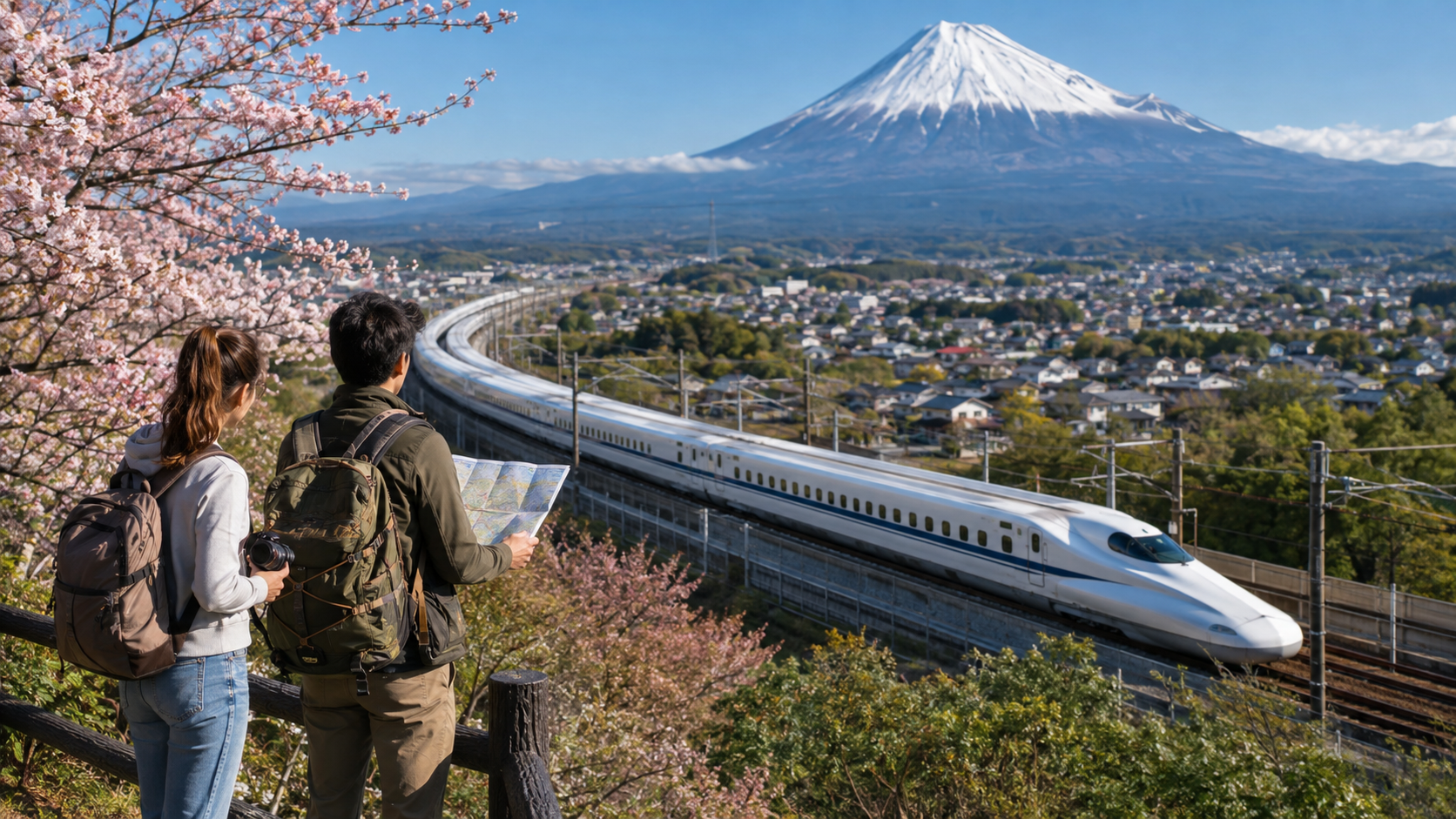
Heading west on the bullet train, Kyoto introduces a slower tempo with over a thousand Buddhist temples. Gion preserves old wooden merchant houses and a quiet tea culture. A four-day stay in this old capital makes day trips to Nara simple, where deer wander near Todai-ji Temple.
Osaka marks the final stop of this classic path, sitting just a short train ride from Kyoto. This trade hub is famous for bright signs, endless basement shopping arcades, and a lively local spirit. Travelers usually spend their nights tasting local street food along the Dotonbori canal.
Embracing Nature and Alpine Wilderness
Hikers, skiers, and outdoor lovers want paths that skip city crowds for national parks and coastal walks. Nature lovers should seek a Japan Travel Itinerary: Best Routes for Every Type of Traveller that focuses heavily on Hokkaido or the high peaks of the Japanese Alps.
Hokkaido presents dramatic volcanic landscapes, deep crater lakes, and vast ancient forests. Renting a car is the most convenient way to explore, since trains and buses run less often than on Honshu. Summer visitors can walk through colorful flower fields in Biei, while winter brings world-famous powder snow.
Further south, the Japanese Alps offer premier mountain hiking routes open from mid-spring to late autumn. Kamikochi is a protected highland valley within Chubu Sangaku National Park, offering views of volcanoes and clear rivers. Private cars cannot enter this area, which keeps the mountain ecosystem clean and quiet.
Top spots for outdoor adventures include:
- Daisetsuzan National Park in Hokkaido for rugged volcanic trails.
- Kamikochi Valley in Nagano for clear mountain river walks and high suspension bridges.
- Yakushima Island in Kagoshima for old cedar forests and mossy woods.
The Culinary Route for Gastronomy Lovers
Japanese food culture changes by region, with each province claiming unique ingredients and cooking secrets. Food lovers can shape their Japan Travel Itinerary: Best Routes for Every Type of Traveller to focus on local specialties like Osaka street snacks, Kyoto multi-course dinners, and Fukuoka noodle bowls.
Japanese meals go far beyond raw fish, with every region cooking unique dishes shaped by local farms and weather. Tokyo offers a varied food landscape, from high-end dining to small grilled-chicken stalls in narrow alleys. The capital is a great starting spot to wake up your taste buds before heading to outer regions.
Nagoya features a unique food culture known for rich, red miso paste served over fried pork. Moving west, Osaka claims to be the nation’s kitchen, where travelers eat until they are completely full. Fukuoka ends the food trip with rich pork-bone broth, simmered for hours to get a thick, creamy texture.
Essential culinary highlights to experience along this route:
- Octopus balls and savory pancakes in the busy food districts of Osaka.
- Rich pork-bone ramen served in single booths at old-school stalls in Fukuoka.
- Hida beef sushi and sake tasting in the historic streets of Takayama.
Off-the-Beaten-Path and Cultural Immersion
Slowing down allows for real connections with local communities and quiet temple visits. Exploring Shikoku and Kyushu offers a unique Japan Travel Itinerary: Best Routes for Every Type of Traveller far from the usual crowds.
Shikoku is the smallest of the four main islands, shaped by steep mountains and the deep Iya Valley. This region remains mostly quiet and free of heavy tourism, keeping its vine bridges and farming villages intact. Crossing Shikoku demands a slower pace that matches the calm spirit of its ancient walking routes.
Kyushu sits in the far southwest, linked to Honshu by deep undersea tunnels and bridges. The island is highly volcanic, featuring amazing sites like the giant caldera of Mount Aso. Towns like Kurokawa Onsen offer traditional inn stays where you can soak in outdoor hot springs surrounded by quiet woods.
Unique cultural activities on this route include:
- Walking quiet sections of the old temple trails in rural Shikoku.
- Soaking in warm sand baths heated by volcanic steam in Ibusuki.
- Visiting preserved samurai neighborhoods of Chiran in Kagoshima.
Summary of Japan Travel Routes for 2026
To find the perfect Japan Travel Itinerary: Best Routes for Every Type of Traveller, use this quick overview of the recommended paths:
| Route Type | Key Destinations | Ideal Travelers |
|---|---|---|
| The Golden Route | Tokyo, Kyoto, Osaka, Nara | First-time visitors, culture lovers, city explorers |
| Alpine & Wilderness | Hokkaido, Japanese Alps, Yakushima | Hikers, skiers, nature lovers |
| Culinary Journey | Tokyo, Nagoya, Osaka, Fukuoka | Foodies, regional cooking fans |
| Cultural Immersion | Shikoku, Kyushu, Iya Valley | Slow travelers, spiritual seekers, hot spring fans |
Practical Logistics and Transit Tips
Navigating the local transport network requires some planning to keep travel costs low. When matching your transit options, finding a Japan Travel Itinerary: Best Routes for Every Type of Traveller that lists region-specific train passes is highly useful.
Choosing the right rail pass depends entirely on your specific path and regional stops. The full Japan Rail Pass remains a popular pick for long train trips, but recent price hikes mean you should calculate ticket costs beforehand. Regional passes, like the JR Kansai Wide Area Pass, often offer better value if you stay within areas like Kyoto, Osaka, and Nara.
Local transit cards like digital Suica or Pasmo, or physical tourist-specific versions, make daily subway and bus rides simple. Luggage forwarding services, called takkyubin, let you send heavy bags directly from hotel to hotel for a small fee. Most hotels can arrange this right at the front desk, with bags arriving the next day.
Conclusion
Finding the right path depends entirely on your travel goals, budget, and speed. Ultimately, choosing a pre-planned Japan Travel Itinerary: Best Routes for Every Type of Traveller helps secure a smooth journey across this diverse nation. A bit of preparation balances major sightseeing with quiet, local discoveries.


Comments are closed