


 Spas & Wellness
Ancient Roots of Japanese Integrative Health
Japan maintains a deep heritage of whole-body health practices that weave physical cleansing with mental quiet. Modern travelers seek authentic ways to ease tension and restore internal balance. Exploring these old rituals offers a direct path to understanding how historical Japanese culture valued long life and quiet awareness.
When looking at Traditional Japanese Wellness Experiences to Try, hot water soaking and sensory forest walks stand out as excellent ways to lower stress. These methods rely on natural assets like volcanic steam, old cedar groves, and absolute quiet to soothe the nerves. Adding these rituals to your travel plans yields deep physical benefits.
The Healing Power of Onsen and Toji
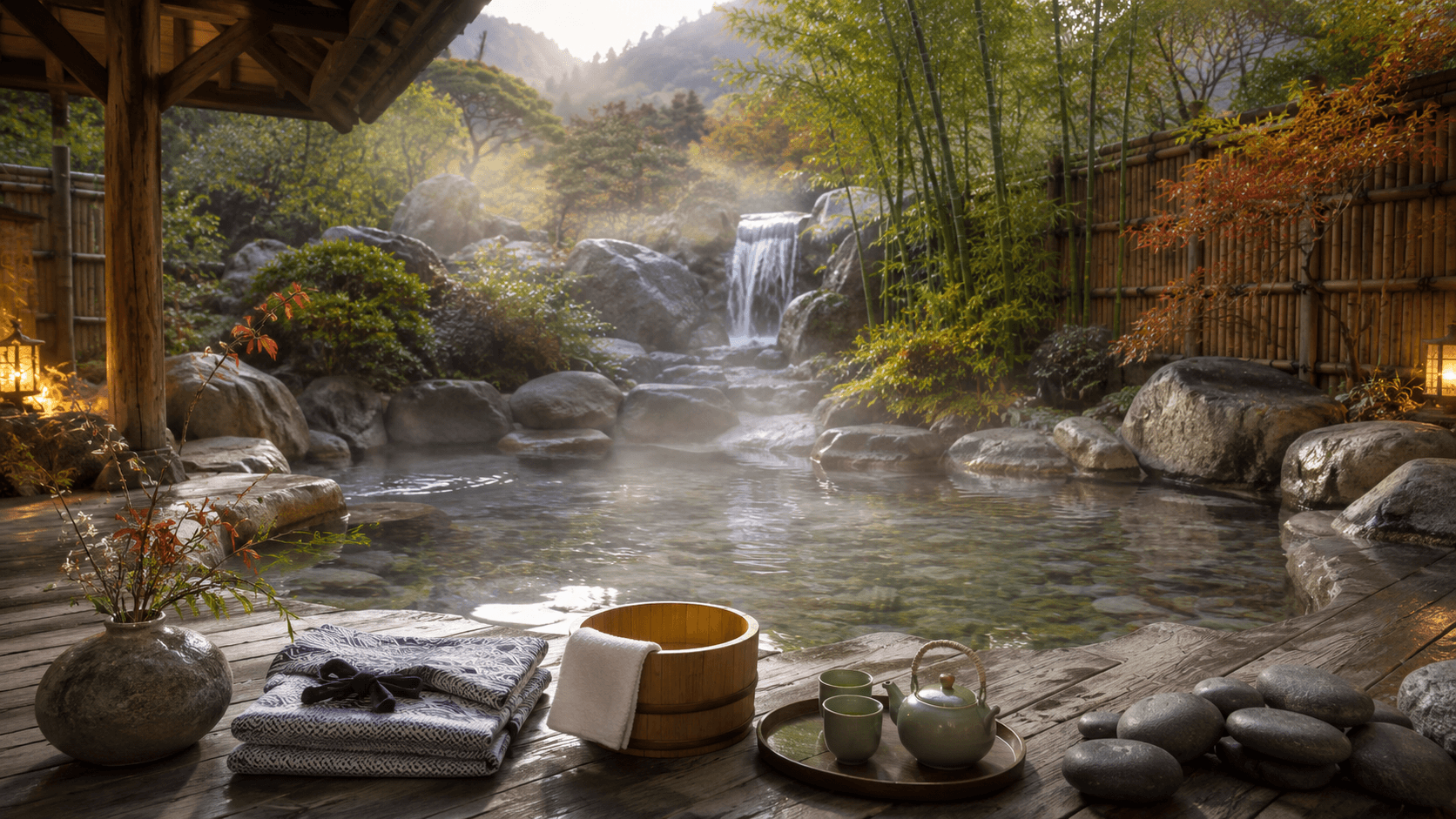
Thermal hot springs, known as onsen, are the foundation of Japanese water therapy. Volcanic activity across the islands feeds more than 27,000 natural hot spring sources rich in minerals. Old records from the Edo era document toji, a practice of extended bathing where people spent weeks at a bathhouse to soothe chronic pain.
The specific minerals in the water dictate the health benefits. Sulfur waters dilate blood vessels to boost circulation, while salt-rich springs lock in body heat and ease joint pain. Bathers must follow strict rules to keep the shared water clean.
Starting your trip with a classic hot spring bath provides a quick physical reset. The heat and mineral absorption work together to speed up lymphatic flow.
This simple soak melts away the stiffness built up during long flights. There are many Traditional Japanese Wellness Experiences to Try, but none offer a more direct physical release than this.
- Scrub your body completely at the wash stations before stepping into the clean bathwater.
- Keep your small towel dry by resting it on your head while soaking.
- Drink cold water or hot green tea right after bathing to replace lost fluids.
Shinrin-Yoku for Sensory Forest Connection
Forest bathing, or shinrin-yoku, began in the 1980s as a structured health program designed by the Japanese forestry department. This practice involves walking slowly through dense woods while focusing your five senses on the surroundings. It is not an intense hike but a quiet exercise in natural observation.
Trees release natural compounds called phytoncides to shield themselves from insects. Inhaling these airborne substances prompts a rise in human natural killer cells, boosting immune defense. Studies from institutions like Nippon Medical School show that forest bathing significantly reduces salivary cortisol levels and boosts immune activity.
This natural method is an excellent option for those wanting to bring down high blood pressure. Spending quiet hours under a canopy of cedar or cypress slows down the heart rate and clears brain fog. Among the various Traditional Japanese Wellness Experiences to Try, forest bathing requires the least physical effort.
Zazen Meditation and the Art of Stillness
Zen Buddhism offers zazen, a seated meditation posture meant to train sharp awareness and mental peace. Practitioners sit in a precise position, often the lotus posture, on a round cushion called a zafu. The gaze rests slightly downward to prevent visual distraction without closing the eyes.
This practice focuses on deep belly breathing and letting thoughts pass without grabbing them. Temples across Kyoto and Kamakura host guided morning sessions led by resident monks. This quiet sitting helps people step away from mental clutter and build emotional strength.
These meditation sessions stand out when you need to clear your mind. Beginners learn to view thoughts like passing clouds instead of absolute truths.
The physical effort to sit tall strengthens the core and improves posture over time. If you seek Traditional Japanese Wellness Experiences to Try for mental health, this quiet discipline is highly recommended.
Selecting Wellness Experiences Based on Your Health Goals
Matching your physical needs to the right therapy ensures the best results. Different rituals target specific body systems to produce distinct health improvements.
| Wellness Practice | Primary Physiological Benefit | Recommended Session Duration |
|---|---|---|
| Onsen (Hot Springs) | Muscle relaxation and joint pain relief | 20 to 30 minutes per soak |
| Shinrin-yoku (Forest Bathing) | Immune system boost and lower cortisol | 2 to 3 hours |
| Zazen (Seated Meditation) | Mental clarity and reduced anxiety | 30 to 45 minutes |
This direct breakdown helps travelers organize their schedules for maximum benefit. Each activity targets a different part of human health, ensuring a well-rounded recovery. Seeking out Traditional Japanese Wellness Experiences to Try becomes much easier with a clear plan.
Geothermal Sand Baths and Steam Therapy
Geothermal heat supports regional treatments like sunamushi, which is natural volcanic sand bathing. In coastal places like Ibusuki, visitors lie in designated beach spots while staff cover them to the neck in warm volcanic sand. The weight of the sand and the earth’s heat speed up blood flow and cause deep sweating.
This process works like a deep massage, clearing metabolic waste from body tissues. The deep heat reaches tight muscle groups in ways that normal hot baths cannot. A typical session lasts fifteen minutes to keep the body safe from overheating.
Sunamushi is quite distinct because of the combined pressure and warmth. You will feel remarkably light and loose immediately after stepping out of the sand. Many classic ryokan inns offer these sand baths alongside their mineral springs.
It is one of the most memorable Traditional Japanese Wellness Experiences to Try.
Shojin Ryori and Dietary Wellness
Food is central to long life in Japan, and Shojin Ryori represents the peak of mindful eating. Born in Zen Buddhist temples, this plant-based dining style relies on seasonal plants, mountain herbs, and soy products. The cooks strictly avoid strong ingredients like garlic, onions, and scallions.
This cooking style balances five colors and five distinct tastes to ensure excellent nutrition. This balanced diet supports digestion, lowers internal inflammation, and keeps blood sugar stable.
Planning a temple meal shows why mindful eating is so vital. Dining becomes an act of appreciation rather than just refueling.
The high fiber and low sugar levels in these meals provide clean energy all day long. This makes it a key option among the Traditional Japanese Wellness Experiences to Try on your trip.
- Use plants at their nutritional peak to honor seasonal changes.
- Reduce waste by using all parts of the plant, including the skins and roots.
- Balance sweet, sour, salty, bitter, and savory notes in each dish.
Sado and Mindful Consumption through the Tea Ceremony
The tea ceremony, known as Sado, is a carefully patterned ritual centered on preparing and drinking matcha. This green tea powder contains rich amounts of L-theanine, an amino acid that relaxes the mind without making you tired. The host’s slow, deliberate movements encourage guests to settle into the present.
Drinking stone-ground matcha delivers a steady dose of clean antioxidants to the body. Unlike coffee, the natural caffeine in matcha releases slowly, keeping you alert for hours.
- Build present-moment awareness by focusing on the texture of the pottery and the tea.
- Absorb organic compounds that assist with cellular repair and metabolism.
- Calm the nervous system through the slow rhythm of the preparation.
Timeless Lessons for Modern Living
Adopting these ancient habits offers a rare chance to reset your body in a fast-paced world. From the warm waters of mountain springs to the silent rooms of Zen temples, these traditions offer real answers to modern stress. Securing several Traditional Japanese Wellness Experiences to Try ensures your trip leaves you feeling deeply refreshed.
Choosing these genuine therapies helps you build a solid personal health routine. Blending natural elements, structured quiet, and clean food builds a foundation for long-term health. Using even one of these practices can bring major changes to your daily well-being.


Comments are closed